Read a garden weather station without chasing every spike
Get more value from outdoor observations by tracking siting, timing and measurement limits.
Decide whether you want garden conditions or a regional reading
A backyard weather station measures a specific place. If you are interested in how much rain reached the vegetable patch, a reading near that patch may be useful. A wind sensor tucked below a garage roof may record the conditions right there while missing the wind across the rest of the garden. Before setting up the instruments, think about the thing you want to understand. A neighborhood weather report has its own useful role and is collected under different siting conditions.
Walk around the proposed sites before you choose one. Look for tall shrubs, walls, paving, vents and gutters. Nearby obstructions can slow or redirect air, and a corner in full sun can become warmer than an open shaded site. A rain gauge under a roof drip can collect water from a larger area than its opening. Position sensors as specified by their maker, accounting for exposure, leveling, shelter and safe access. Note any limitations that you cannot easily change in a small garden.
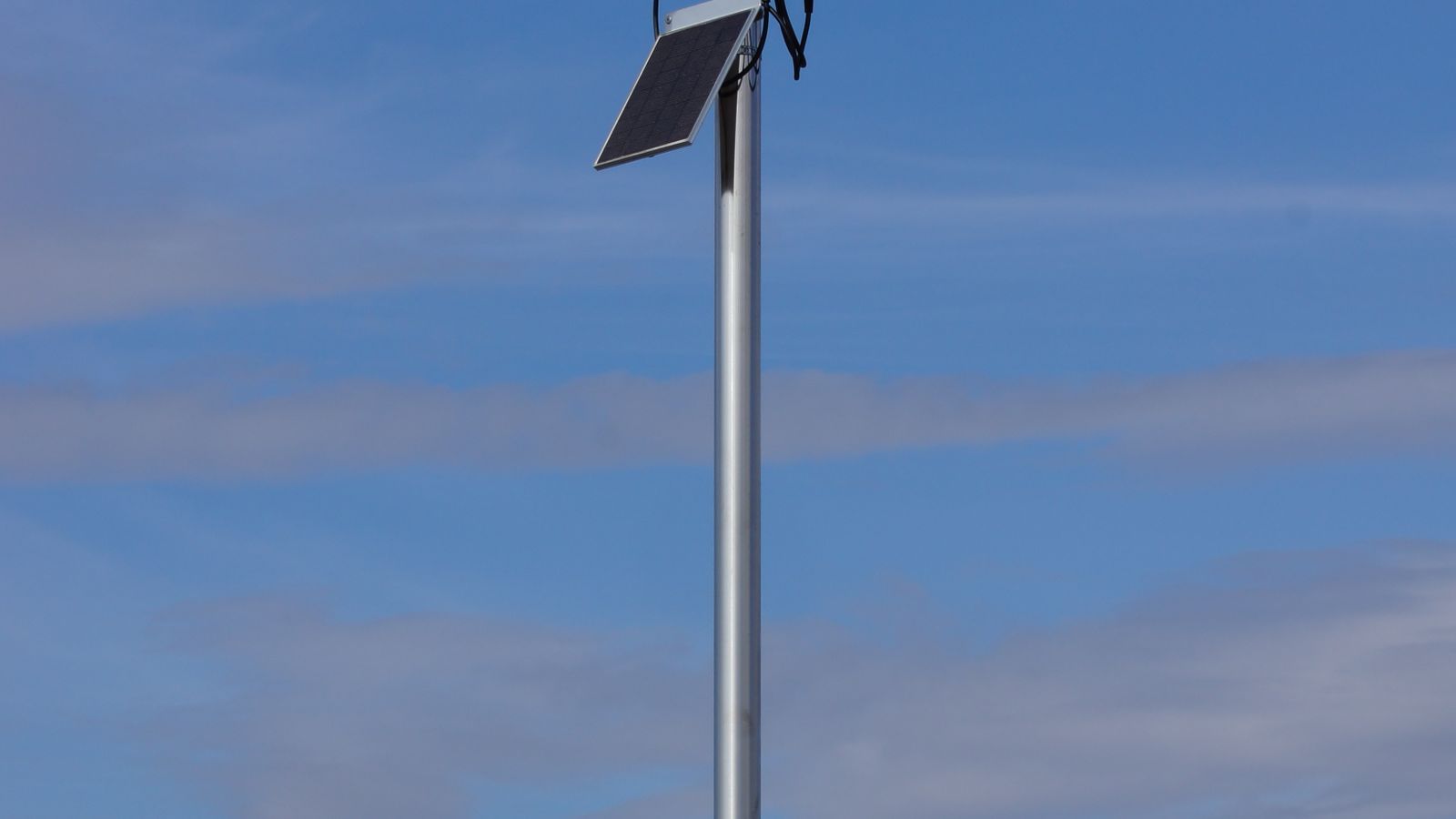
Keep the installation practical. A unit you cannot safely reach will be difficult to clean or maintain. Nearby solar panels and chargers may be convenient, but check power, mounting and safe distances before choosing a permanent position. For equipment installed at height or near electrical wiring, use appropriate qualified help. Record the location with a short description and the approximate height. The note will matter the next time a fence grows taller or a replacement sensor arrives.
Check what a routine reading actually represents
Look at what each sensor reports and when it reports it. Outdoor temperature may be sampled at one interval and uploaded at another. Wind data may include a short gust and a longer average, which serve different purposes. Rain shown as a daily total depends on how the unit defines its day and how the sensor records an increment. Pressure may be adjusted for display or reported for the unit's actual location. Read your model's documentation before using the number as a direct comparison with another instrument.
Get used to the screen during ordinary weather. Watch one hour with no change and one with an obvious event. If the device keeps reporting an identical value after its last timestamp, it may be showing its last sample instead of confirming a stable condition. Look for battery and signal status. Brief radio loss can leave a gap. A dashboard can connect the readings on either side of that gap, giving a plausible line where nothing was recorded.
Before exporting data, check units and the time zone. A screen that displays millimeters may write a standard payload using different units, depending on the app. If you compare two daily totals, confirm where each system starts and ends that day. A storm crossing midnight can cause one dashboard to report less rain in a particular date range than another whose daily reset falls at a different hour. Keep original readings with the units and timestamps you relied on.
Observe one rain event and one wind change
Take the rain gauge as a concrete check. Confirm it is upright or level as instructed, its intake is clear and runoff or spray cannot fall into it. During an ordinary shower, compare the timing with the ground or a separate suitable reference gauge where possible. A sprinkler and a splash off a nearby surface can affect a local measurement even if no rain reached the whole property. Write a note by the affected interval rather than turning a strange value into a different number.
Wind measurements depend strongly on exposure. A low sensor by a hedge can show calmer conditions than a location with a clear approach to the wind. A building corner can redirect air near its edges. Watch from a safe place to see whether wind activity around the sensor matches the data. If the unit also has a direction reading, check whether it was oriented and mounted as specified. A comparison with an open site can be useful context without making your lower garden position an error.
If a sudden string of zero wind values appears in a storm, check whether it coincides with missing values from other sensors. Look at the unit's communication and battery information after the event, when it is safe to do so. A calm reading with normal supporting signals means something different from a loss of all updates. Keep the distinction in your notes. If you later compute a mean, decide explicitly how to treat gaps instead of silently treating measurements you do not have as zeros.
Use a nearby station for context
Select a reliable public station you can identify. Consider its location, elevation and surroundings. An airport or civic station may be hundreds of meters away from your local conditions vertically or have a much more exposed setting. Two sites can agree about a passing front and differ substantially in rainfall or peak wind. You need a record of what each site represents before using one to judge the other.
For a side-by-side review, use a short event with clear timing, such as a shower that crossed both sites, or a long overnight period with steady conditions. Line up timestamps and verify comparable units. A difference that occurs only when your sensor gets sunlight is a clue about local exposure. A steady difference across comparable hours can justify looking at setup, accuracy or reference conditions. A single difference during rapidly changing weather can be perfectly ordinary.
If your aim is an absolute calibration, check what your instrument maker provides and whether you have a suitable known reference. Two independent stations reporting different readings may both be doing their job in different places. Do not adjust equipment solely to force their displays to agree. Keep the comparison as an observation that might guide the next test, and use officially issued weather alerts and local guidance for safety decisions. Your station can supplement context about your yard.
Keep a record of all the small changes to the site
A garden changes across seasons. A branch can shade a thermometer after the leaves return. An added roof may interrupt wind or change splash around a gauge. Installing a fence can make a low spot calmer. App updates can also change how readings are summarized. Take an ordinary photo of the installation and write down changes with dates, without including information you would prefer to keep out of a shared record. Mark the first date of a new position in any chart you keep.
Check batteries, connections and cleanliness on a schedule appropriate to your equipment. Review the maker's approach to clearing a rain inlet, changing batteries and verifying alignment. Working from the ground or arranging safe service can be preferable to a position you chose only for ideal measurement. Before replacing a unit, save the date of the last known good reading. If the new unit overlaps with the old one for a short period, retain that as useful context for comparing later results.
Choose an annotation format that is easy to keep. “Pruned nearby hedge Monday,” “sprinkler ran at seven,” or “high winds, signal dropped” may answer later questions without turning the project into a written diary. You may have several years of readings and no memory of when a sensor moved. A sentence at the time can make the history meaningful as the equipment and garden change around it.
Make one decision at a time
A station can help you decide when a garden bed receives sun, how an exposed seating area behaves in the afternoon, or whether there was unusual rain near the house. Start with one question, see whether a suitable measurement is available, and record the circumstances. If the answer needs a different sensor or site, explain what observation you are missing and change that part. Avoid treating a complete-looking dashboard as evidence that you measured everything you care about.
Keep an eye on what makes data actionable. A rain total from a clear gauge, with a known start time, is more useful than a collection of unidentified numbers. A cooler reading under a tree is useful when the shade is exactly what you wanted to measure. Preserve the observations with their context and keep a verified alternative for information the station cannot supply. That makes the small weather record worth returning to after the novelty of looking at it every hour has worn off.
Compare two gauges without averaging away a difference
If you set out a second rain gauge as a check, note exactly where each one catches rain and when you read it. A wider garden corner may be exposed to wind. A gauge under a tree can receive drips after the shower ends. Use comparable, manufacturer-appropriate sites if you want to learn whether the instruments agree. Keep the actual times and values separately instead of averaging them as soon as you see the results.
Consider the practical decision you want the measurement to support. For a plant bed beside the house, a position that describes that bed may be more relevant than the most exposed place on the property. If you are comparing with an official regional record, the exposed position may give a better comparison. In both cases write down why the spot was chosen. Weather results remain understandable when the observation includes the conditions that produced it.
Check the next ordinary event before reacting to one odd result. Move a gauge only when you know what question the move will answer and retain the old location in your record.