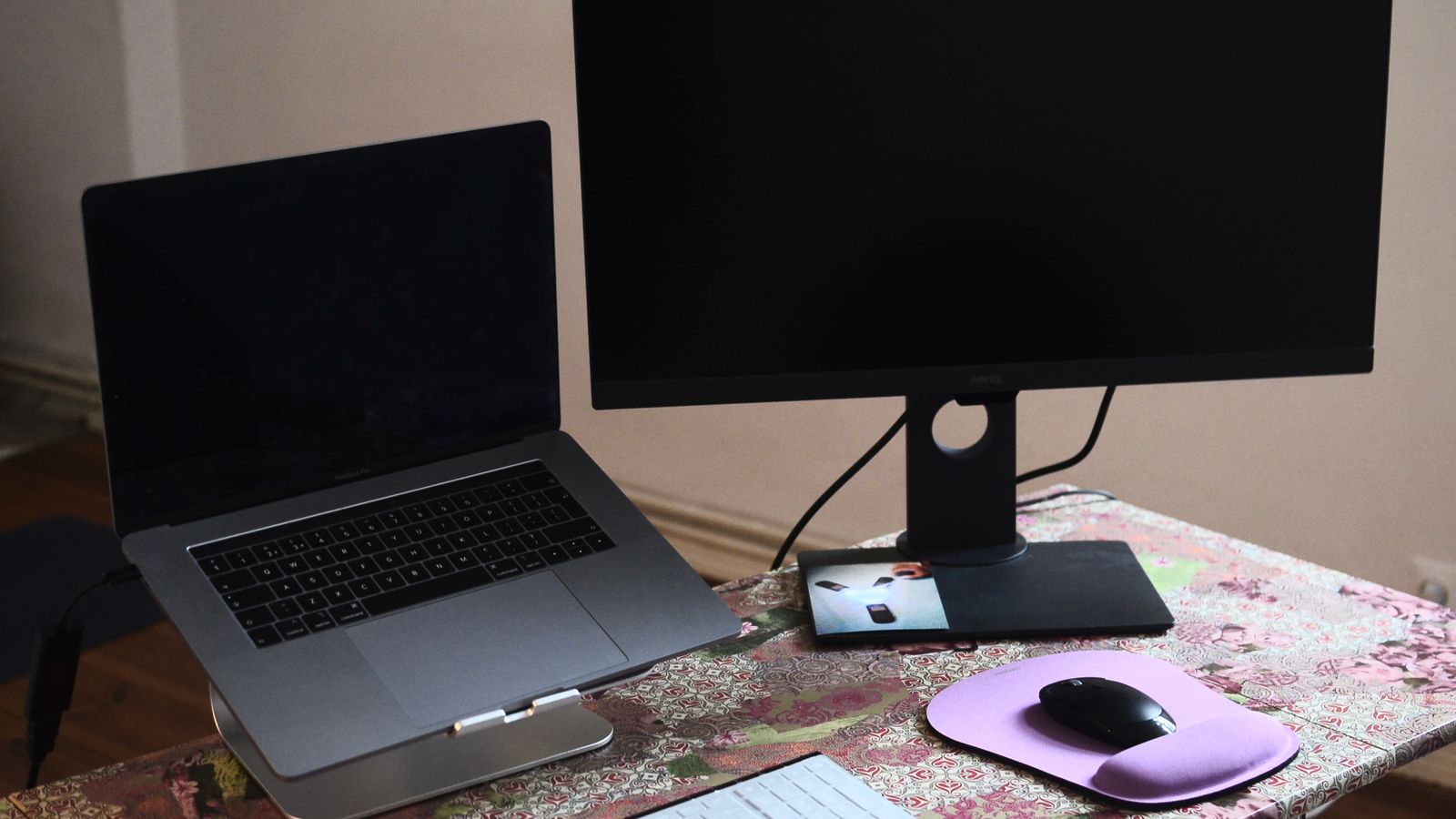
Find headphones you can wear through a long session
Compare headband pressure, seal and glasses fit before changing headphones.
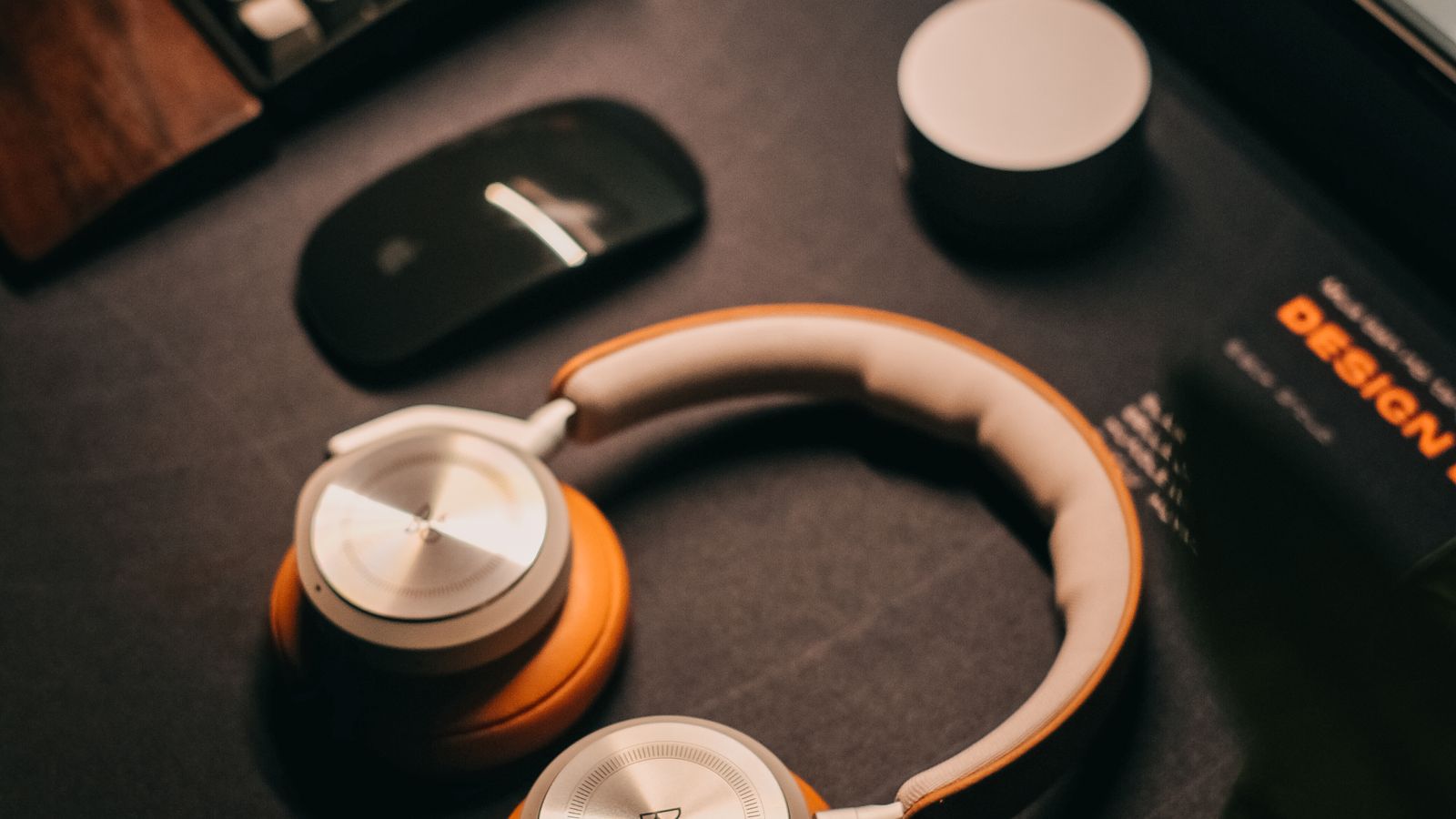
Wear a set while you do something ordinary
Headphones that feel good while you look straight ahead can shift once you spend an hour reading, typing or turning toward someone. Use a familiar passage of speech at a comfortable low level and do a small task at the same time. Look down at the keyboard, sit back, and turn your head as if checking a second screen. Notice whether the headset slips or the cup shifts against your ear. A model that feels light when you first put it on can still concentrate its weight at a small point on the top of your head. If you already own a pair that bothers you, work out where you first feel it and what you were doing.
During an initial try, give the pads and headband time to settle. Pay attention to wear with your hair in its usual position and with the glasses or hat you often have on. If you use headphones through a long work block, a return window can allow more informative testing than a five-minute visit to a shop. Check which trial or return rules apply before buying. At home, make one simple observation at the start and another later in a session, such as “left cup touches ear when I type.” A description like that is specific enough to help decide whether an adjustment has changed anything.
Look inside the cups before tightening the band
The size of the opening in a pad and the room between the pad and the driver cover affect how the ear sits. A large-looking cup can have a small interior opening. A thick-looking pad can compress enough to bring the inner fabric against the rim of an ear. Put the headset on with the cups in a natural position, look down, and check whether the upper part of either ear touches something. Move each cup a little forward or back and observe what shifts. Give the cup the chance to turn with the shape of your jaw if the hinges allow it.
There is a practical difference between a design that rests around the ear and one made to sit on top of it. A compact on-ear pair can be easy to carry and may suit shorter calls. For a long session, pressure on the ear itself is often the first thing to test with that design. An over-ear pair can distribute pressure around the ear, depending on its opening and headband. Keep the actual interior space in mind if you shop, especially if the current cup touches part of your ear. A pad may fit one person's ear with space to spare and pinch the next person's. Measuring the opening and depth of the set that already bothers you gives you a point of comparison.
Find what changes when you wear glasses
Put on the glasses you use most, and place the headphones over them with the arms resting naturally. Play the same quiet spoken line and part of a familiar track with low notes. Move your head to the position you use to read. Listen for one side suddenly sounding lighter or for room noise to become more apparent. Some closed headphones depend on the pad seal for a consistent sound. Frames, thick hair or a gap near the jaw can change the way they seal. Compare with and without the glasses briefly, keeping the volume fixed. If you hear a large difference, try a single change such as moving the cups slightly forward or loosening the headband by one step.
A softer pad can sometimes fit around a glasses arm more easily. A harder pad may hold pressure on the arm until the point behind the temple becomes distracting. Check the hinge travel as well. If only the bottom of the cup seals while the upper part pulls away, a design with more swivel could make a difference. Consider someone who changes from thinner reading glasses to wider frames during calls. A headset that fits both may save a readjustment several times a day. If the best position pushes the frame out of place, it is worth trying another cup shape while leaving the glasses where they belong.
Give weight and pressure separate names
The total weight of the headphones tells you what you will carry. What you feel while wearing them also depends on the shape of the headband, where the cups sit and how much the pads squeeze. A suspension strap can spread the contact around the crown, while a narrow band may concentrate it near one point. A mild hotspot can be easy to miss when comparing products. Set the cup height so your ears are centered, then see where the band rests. Keep the band adjusted evenly unless the fit calls for a small difference. Too much extension can make the cups drop as you bend. Too little can pull them upward and press the bottom of an ear.
Try one looser position. If the top pressure eases but the seal fails when you look down, it is useful to know both changes. If the discomfort is right behind the jaw, check whether the pads angle evenly. Heat is another variable. In a still room, a thick closed pad can feel warm after several minutes. A material that feels cool when you pick it up can still trap heat in use. Compare at the temperature where you normally work. Breaks between sessions let you assess whether the annoyance comes back immediately after you refit the pair or builds only when the room warms up.
Compare what the room lets through
Try each listening mode while seated in the location that matters. Passive isolation comes from the physical fit and materials. Active noise cancellation uses electronics to reduce some external sound, and results vary with fit, the kind of noise and the headset's implementation. A steady ventilation rumble may behave differently from nearby speech. Outdoor airflow can make noise around the cups or the microphones used for active modes. If the headset has an ambient or transparency setting, check the quality of speech and nearby sounds with it on. Treat it as a convenience that depends on the conditions around you.
A coffee shop offers different noise from a person in the next chair at home. If you normally work beside another person, listen to a familiar passage of speech while they carry on with an ordinary task. Check the result at the same volume with each fit or mode. A set that keeps the passage clear in a quiet room is already a useful baseline. If you keep reaching for the volume when there is a lot of outside sound, try improving fit, changing the listening location or taking a break. The World Health Organization's safe listening guidance emphasizes limiting both loudness and the time exposed to loud sound. A comfortable playback level and short intervals away from the headphones also make it easier to assess whether a pressure point is building.
Move normally with the cable and controls in place
A wired headphone can feel well balanced until the cord touches a collar or pulls when you roll back from the desk. A line that drapes off the front of the table may brush a sleeve every time you move the mouse. Test the cable route at a small head turn and again while reaching for a drawer. If contact sounds transfer into the cup, route the slack where it can move freely and check the result. A headphone with both cable entry points and a removable lead may offer options, but confirm which connections the manufacturer supports. On a travel pair, repeat the test with the bag or coat you actually use.
Wireless controls also affect long sessions. Mute, volume and mode switches should be easy to operate without pressing a cup hard against an ear. Put a finger on the control as you normally would during a call. If a touch surface responds while you adjust the fit, look for a setting to change it or consider a set with a different control layout. Test the call input separately if it matters because playback comfort and microphone quality are distinct. A pair can sound good playing music while your voice is hard to hear through its microphone in a busy room. A short private call is a better check than relying on a product's list of features.
Check what a replacement pad would change
If you can identify a compressed or worn pad, find out whether the model accepts a manufacturer-approved replacement. Pads influence fit, clamping feel, the distance between the ear and the driver, and in some cases the sound and noise cancellation. A thicker third-party pad can free an ear from the inner surface but may also place more weight on the headband or alter the seal. Test the entire fit if you change them. If both pads have worn unevenly, a matched replacement can restore their original shape. Follow the device instructions when removing the old pair and confirm that the new pair locks securely into the cups.
Before spending money on parts, write down the single issue you most want solved. If the problem is heat around both ears late in a session, a pad change may matter more than a softer headband. If it is pressure at the crown that arrives in ten minutes, seek a headband shape that spreads contact. If the only irritation is a loose cable tapping your collar, routing it differently may be enough. Use a familiar recording and a work block to compare the revised fit. The pair you can wear while paying attention to your task, while keeping playback comfortable and taking breaks when needed, is the one that fits the way you actually listen.